
Both dry needling and acupuncture use fine needles, and both can relieve pain. So it is no surprise that patients often ask whether they are the same thing. They are not. The two techniques share a tool but differ significantly in their philosophy, training, target points and intended outcomes. Here is a clear, evidence-based comparison to help you understand the difference — and what we offer at Absolute Health on the Sunshine Coast.
What Is Acupuncture?
Acupuncture is a practice rooted in Traditional Chinese Medicine (TCM) with a history spanning more than 2,000 years. Its foundations rest on the concept of qi (pronounced "chee") — a life force or vital energy that flows through the body along pathways known as meridians. When qi becomes blocked or imbalanced, TCM theory holds that pain and illness can result.
An acupuncturist inserts fine needles at specific mapped points along these meridians to restore the flow of qi and bring the body back into balance. The approach is typically holistic — the practitioner considers the whole person, not just a single injury or muscle group. In Australia, registered acupuncturists complete a four-year Bachelor of Health Science in Chinese Medicine and must be registered with the Australian Health Practitioner Regulation Agency (AHPRA) under the Chinese Medicine Board of Australia.
What Is Dry Needling?
Dry needling is a modern, Western medicine technique grounded in anatomy, neuroscience and musculoskeletal medicine. Developed through research in the latter half of the 20th century, it targets myofascial trigger points — tight, hyperirritable knots within a muscle that cause local pain and can refer pain to other areas of the body.
The word "dry" simply means no liquid is injected — the same type of thin, sterile filiform needle used in acupuncture is inserted directly into the trigger point. This stimulates a characteristic local twitch response: a brief, involuntary muscle contraction that signals the trigger point has been engaged. The twitch response causes the muscle to release, reduces tension, improves blood flow and triggers the body's natural pain-relief mechanisms.
In Australia, physiotherapists and chiropractors can perform dry needling after completing a recognised postgraduate training course in the technique. It is one tool within a broader clinical approach, typically combined with manual therapy, exercise prescription and rehabilitation.
Side-by-Side Comparison
| Dry Needling | Acupuncture | |
|---|---|---|
| Origin | Western medicine | Traditional Chinese Medicine |
| Philosophy | Anatomy & neuroscience | Qi / energy flow along meridians |
| Target points | Myofascial trigger points in muscles | Mapped meridian points on the body |
| Primary goal | Release muscle tension, reduce pain | Restore energy balance, holistic wellness |
| Practitioner (AU) | Trained physiotherapist or chiropractor | Registered Chinese Medicine practitioner |
| Training | Health degree + postgrad dry needling course | 4-year Bachelor of Health Science (TCM) |
| Needle placement | Directly into the affected muscle / trigger point | Meridian points — often distant from the pain site |
What Do They Have in Common?
Despite their different origins, the two techniques share several important features:
- Both use the same type of thin, sterile filiform needles
- Both can cause a brief, dull ache at the insertion point
- Both may trigger the release of endorphins and other natural pain-relieving substances
- Both can reduce muscle tension and improve local circulation
- Both may cause mild post-treatment soreness lasting 24 to 48 hours
- Both are generally safe when performed by qualified practitioners
The clinical evidence for both has grown considerably in recent years. A 2023 umbrella review covering 36 systematic reviews found dry needling to be significantly more effective than no treatment or sham for musculoskeletal pain. Research on acupuncture similarly continues to show positive effects, particularly for pain and headache conditions.
How Do the Needle Placements Differ?
This is perhaps the clearest practical distinction between the two approaches.
In acupuncture, needles are placed at specific points along the body's meridians — points that may be distant from the site of your pain. A headache, for instance, might be treated by needling a point on the foot. This reflects TCM's systemic, energy-based framework.
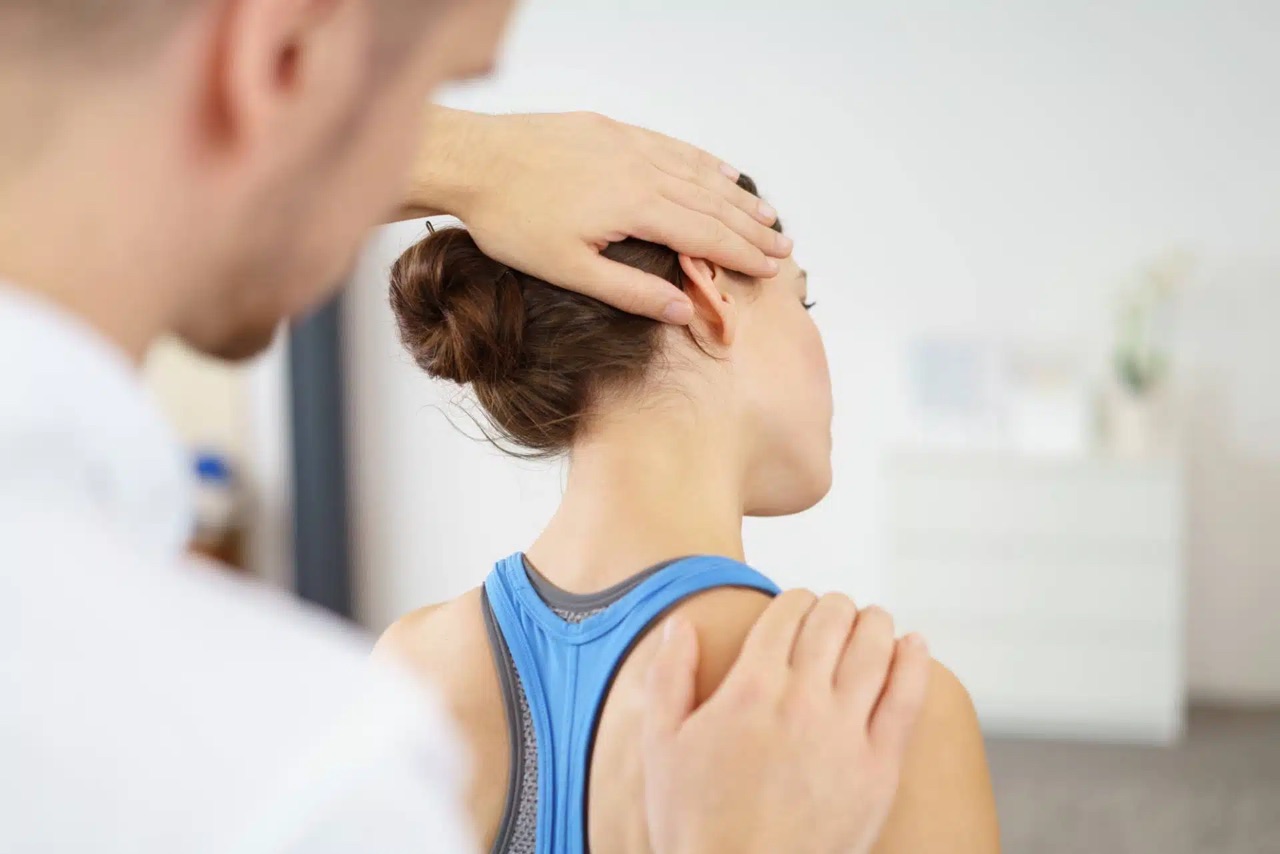
In dry needling, the needle goes directly into the muscle or trigger point causing your problem. If lower back pain is driven by tightness in the quadratus lumborum muscle, the needle goes into that muscle. If a stiff neck is caused by trigger points in the upper trapezius, that is where the treatment is focused. The approach is anatomically specific.
Who Performs Each Treatment in Australia?
In Australia, acupuncturists must hold registration with AHPRA under the Chinese Medicine Board of Australia. They complete four years of university study covering TCM theory, meridian anatomy, needling technique and clinical practice.
Physiotherapists and chiropractors who offer dry needling complete a postgraduate training course approved by their professional body — typically the Australian Physiotherapy Association or the Chiropractic Board of Australia — and integrate it as one component of their broader clinical skill set. They do not use the title "acupuncturist."
What Conditions Is Dry Needling Used For?
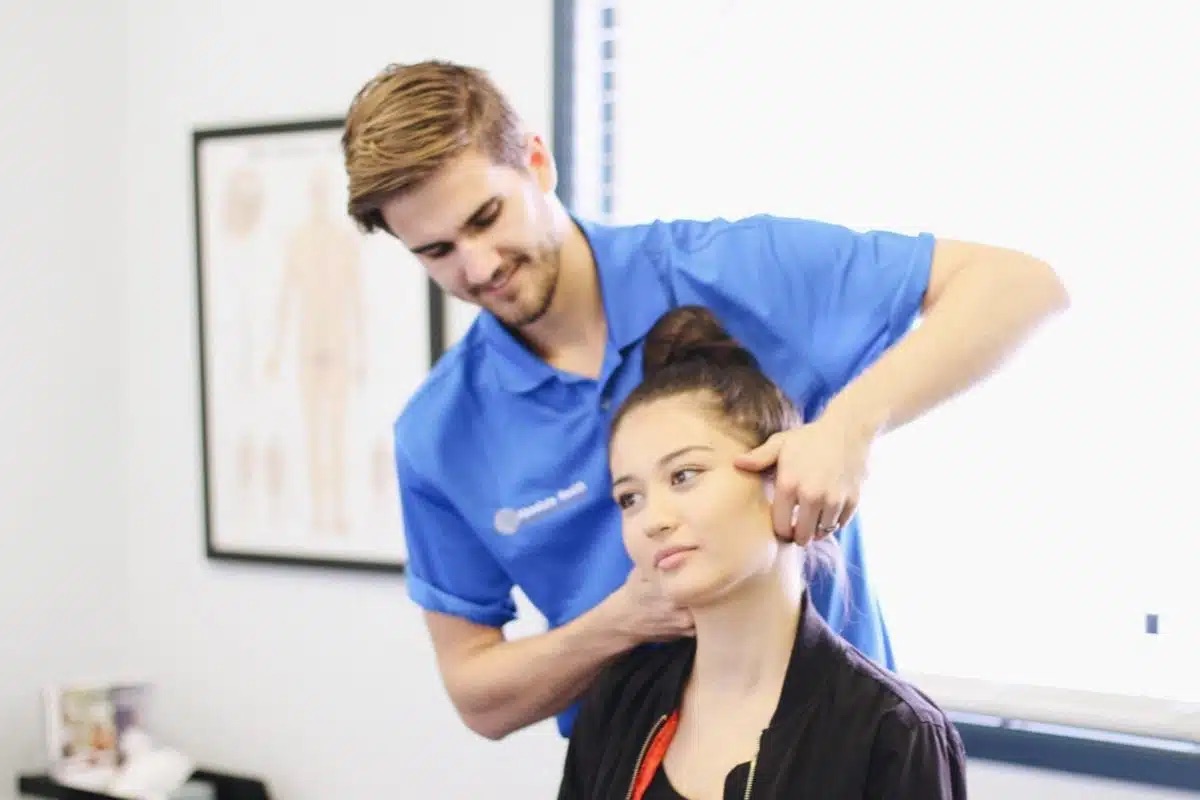
At Absolute Health, our trained physiotherapists use dry needling as part of a comprehensive treatment program for a range of musculoskeletal conditions, including:
- Neck pain and stiffness
- Lower back pain
- Shoulder pain and rotator cuff problems
- Headaches and migraines driven by tight muscles
- Tennis elbow and golfer's elbow
- Hip and knee pain
- Myofascial pain syndrome
- Sports injuries and muscle strains
Dry needling is rarely used in isolation. It works best as part of an integrated plan that includes manual therapy, stretching and a targeted exercise program — all tailored to your specific condition.
Which Is Right for You?
Both approaches can be effective for pain relief, and the right choice depends on your individual situation and preferences.
If you have a specific musculoskeletal problem — tight muscles, a sports injury, chronic neck or back pain — dry needling integrated into a physiotherapy program is likely to be the most targeted approach. A Sunshine Coast physiotherapist can assess your condition, identify the trigger points contributing to your pain and develop a plan suited to your goals.
If you prefer a holistic approach rooted in traditional medicine, or if your goals extend beyond a specific injury, a registered acupuncturist may be a good fit. The two approaches are not mutually exclusive, and some patients use both.
Dry Needling at Absolute Health, Sunshine Coast
At Absolute Health, dry needling is performed by our trained physiotherapists at both our Mooloolaba and Nambour clinics. Before any needling begins, your physiotherapist will take a full history, assess your condition and explain exactly what to expect. Most patients notice a meaningful reduction in muscle tension and pain relief within one to three sessions.
If you would like to know whether dry needling is appropriate for your condition, book an appointment online or call us — our team is happy to discuss your options before you commit to treatment.
Frequently Asked Questions
Not exactly. Both use the same type of fine, sterile needles, but the underlying philosophy and target points are quite different. Dry needling is grounded in Western anatomy and targets myofascial trigger points in muscles. Acupuncture is based on Traditional Chinese Medicine and targets meridian points to influence the flow of qi. The techniques, training pathways and intended outcomes are distinct, though both can relieve pain.
Both can cause brief discomfort when the needle reaches its target. In dry needling, the local twitch response — a sudden involuntary muscle contraction — may feel more intense than a typical acupuncture sensation. Most patients describe it as a temporary dull ache that quickly passes. Some post-treatment muscle soreness is normal for both techniques and usually resolves within 24 to 48 hours.
Yes. In Australia, registered physiotherapists can perform dry needling after completing a recognised postgraduate training course. At Absolute Health, our physiotherapists are trained and experienced in dry needling and use it as part of a comprehensive treatment approach — not as a standalone session.
It varies depending on your condition and how you respond to treatment. Many patients notice a clear improvement after one or two sessions. Your physiotherapist will typically reassess after three sessions to determine whether to continue, adjust the approach or transition to other therapies.
Dry needling performed by a registered physiotherapist is generally covered under Extras cover with most Australian health funds, provided your policy includes physiotherapy. Cover levels vary between funds and policies, so check with your insurer for your specific entitlements. At Absolute Health, we have HICAPS on-site so you can claim on the spot.